

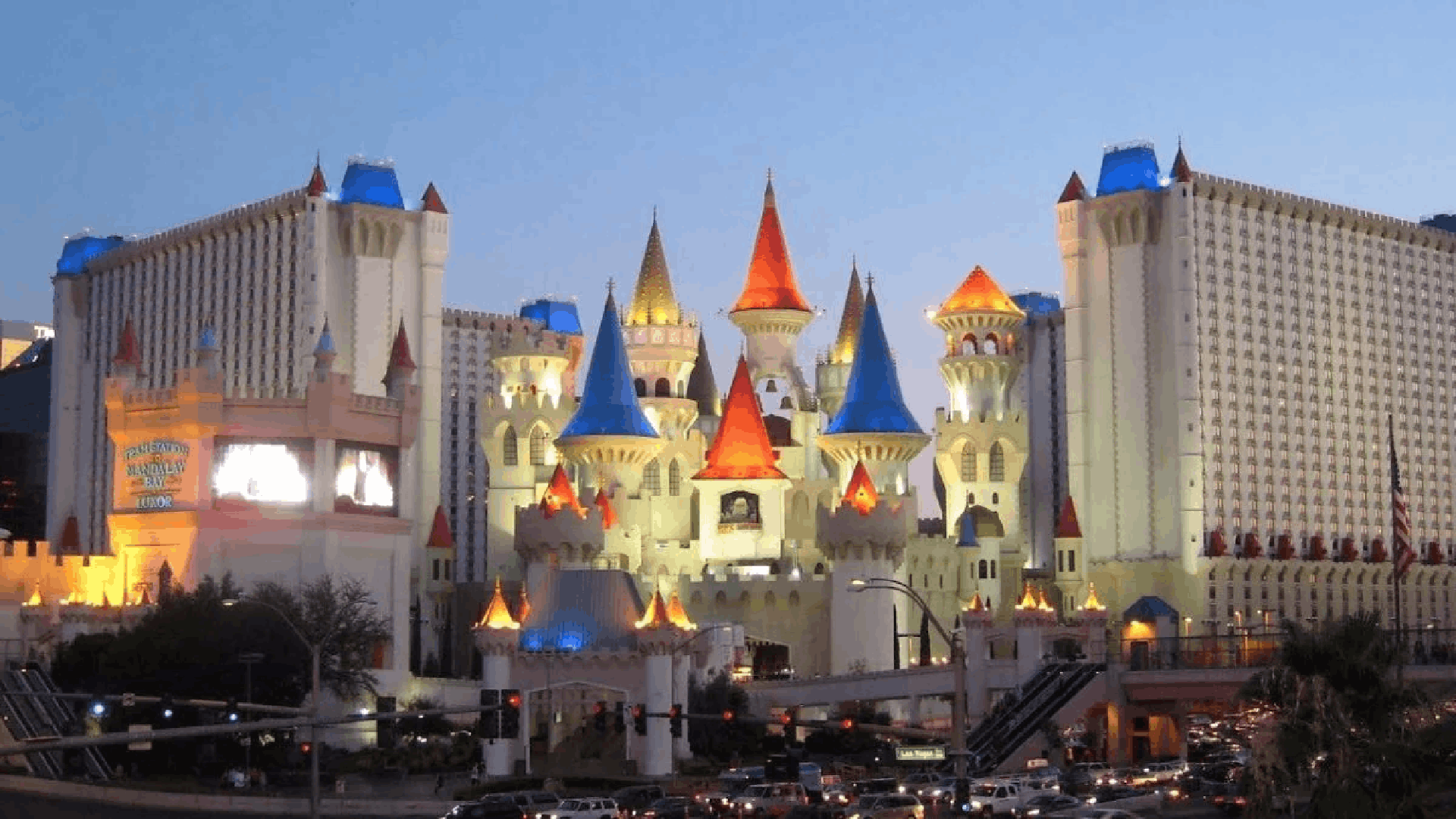
Investors in MGM Resorts International (NYSE: MGM) and Caesars Entertainment (NASDAQ: CZR) have had a terrible year. However, if middle-class consumers follow suit, the two casino stocks may recover in 2026.
The two Las Vegas casino behemoths are among the 39 consumer discretionary stocks that Goldman Sachs identifies in a recent research as having exposure to middle-class consumers who may be ready to rebound next year. The bank sees a route to equity out-performance by businesses that serve the middle class, notwithstanding the negative consumer sentiment that has received a lot of attention.
"We expect that stocks with exposure to the middle income consumer will continue to outperform in coming months,” notes Chief Equity Strategist Ben Snider.
The proprietors of the Las Vegas Strip, of which MGM and Caesars are the two biggest, have faced an obvious difficulty this year due to somber sentiment. However, Goldman Sachs claims that middle-class consumers' problems may be exaggerated and that the group is doing well.
Macroeconomic Factors May Help MGM and Caesars in 2026
A better picture for middle-class consumers in 2026 may be supported by macroeconomic variables like a more stable labor market, tax benefits from President Trump's One Big Beautiful Bill, and the potential for declining inflation.
The most recent Federal Reserve meeting this week could put that theory to the test. The central bank would indicate that it is satisfied with the course of inflation if it were to cut interest rates as anticipated. Debt-ridden Caesars would directly profit from lower borrowing rates, which would also pave the way for further casino industry mergers.
The group's low valuations are advantageous for investors thinking about holding positions in middle-income-exposed consumer cyclical businesses, such as Caesars and MGM.
“The recent trajectory of valuations for the group has been closely tied to changes in middle-income consumer sentiment. To the extent that tax refunds and labor market stabilization improve sentiment among this income cohort, the valuations of middle-income consumer stocks should rebound as well,” adds Goldman’s Snider.
The bank notes that the threat of material cooling in the labor market is the main danger facing businesses with significant middle-income exposure. Consumer-facing stocks, such as the two casino operators discussed here, would be at risk if unemployment spikes in 2026.
Las Vegas Must Strengthen Its Value Proposition
The idea that Las Vegas is no longer a reliable destination for middle-class customers searching for good value has impacted Caesars and MGM, while Goldman Sachs avoided getting into the specifics of the matter.
Many prospective tourists argue that Sin City is excessively costly due to a steady stream of social media and traditional media headlines like $26 bottles of water in Strip rooms, $12 cups of coffee at lower-tier Strip casino hotels, and three-figure room service fees for eggs and pancakes. In addition, many Strip casinos have high table-game minimums and a plethora of fees (parking, resort, etc.).
In other words, if investors want to profit from a possible middle-class consumer comeback in 2026, Caesars and MGM have some work ahead of them.
Related articles
Look through a few worthwhile and fascinating articles on casinos.