

One of the most well-known players in the business may be looking to make an acquisition as prediction markets continue to grow.
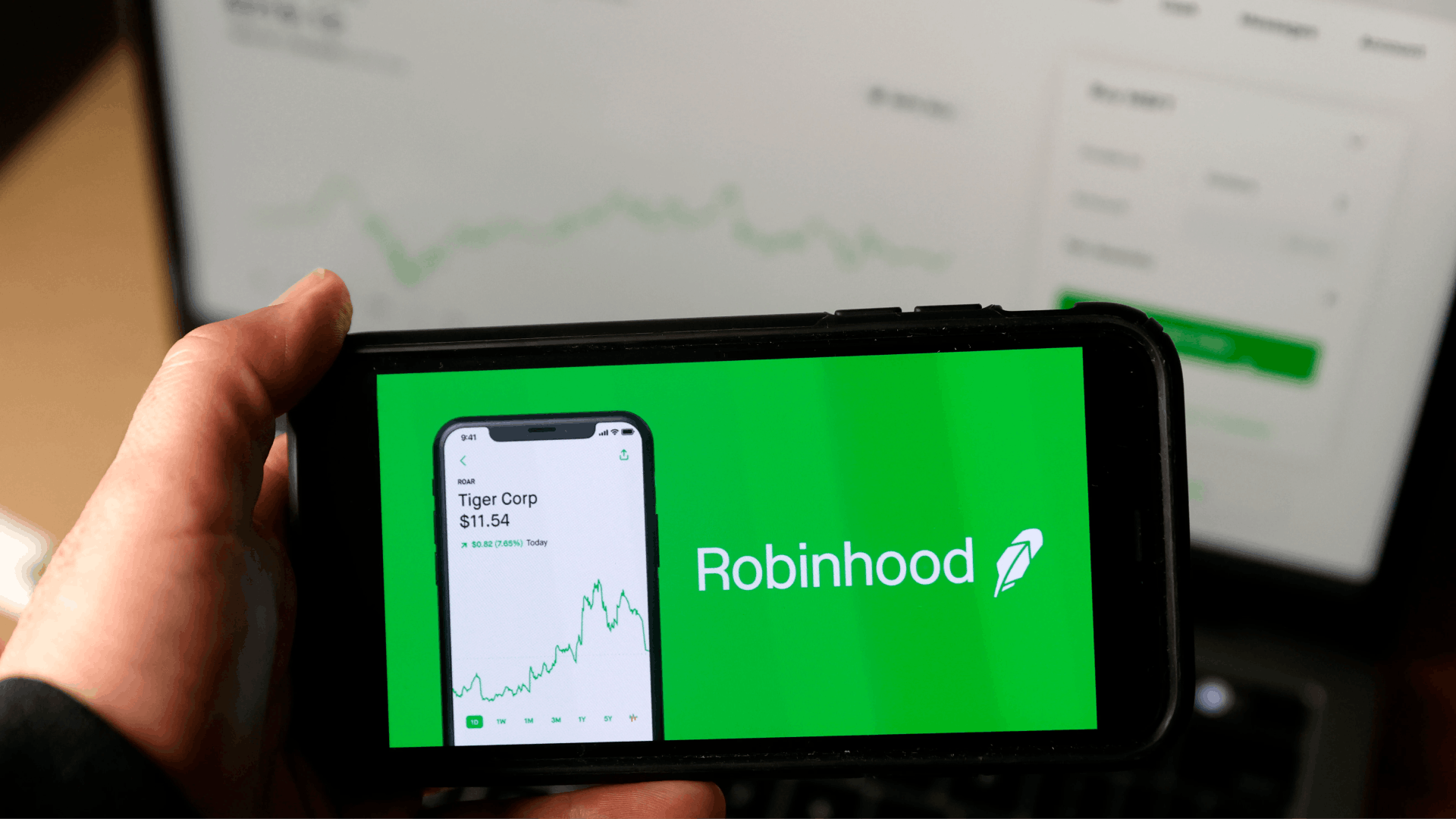
According to JB Mackenzie, vice president and general manager of futures and international, Robinhood Markets (NASDAQ: HOOD), which is already a major player in prediction markets thanks to a relationship with Kalshi, is willing to do deals in the event contracts market, Reuters said.
"We as a firm are going to be looking to see if there is an acquisition that’s available,” the executive told the news agency. “I’m always looking to see if there’s something of interest, if there is, we’ll pursue it and see if it’s the right fit.”
In the interview, Mackenzie added that Robinhood, a California-based company, employs some "really good" engineers who are capable of creating "great products." Although he did not explicitly state it, it was clear from his comments that the corporation might create its own prediction market.
Potential Forecast Market Objectives for Robinhood
Although Mackenzie didn't name any particular prediction market companies Robinhood would seek for a buyout, the still-developing sector is already a beehive of takeover rumors.
The operator of a peer-to-peer sports prediction market in the United States, Novig, is reportedly the target of unconfirmed buyout interest from Kalshi, Polymarket, and other undisclosed suitors, according to allegations that surfaced last month. Whether Robinhood is one of the other interested parties is unclear.
With a stock that is up 277.56% year to date and $4.2 billion in cash on hand as of June 30, according to official company records, it is evident that Robinhood has the means to make a game-changing acquisition in the prediction markets.
Polymarket, at $9 billion to $10 billion, would be too expensive for Robinhood based on last week's valuation report, while partner Kalshi, at $5 billion, might be more reasonable. Though it's unlikely that either of those businesses would be willing buyers at this time, it's also evident that Robinhood doesn't require a multibillion-dollar deal to make a significant impact on the markets.
In relation to Kalshi...
Mackenzie did not address how or whether a prediction markets acquisition might jeopardize Robinhood's collaboration with Kalshi in the Reuters interview. According to some estimates, Robinhood clients make up between 25% and 35% of Kalshi's daily volume, therefore if Robinhood takes that path or develops an organic event contracts platform, it could be detrimental to Kalshi.
According to Patrick Moley, an analyst at Piper Sandler, Robinhood's prediction markets division, which divides its profits evenly with Kalshi, is expected to reach $200 million in revenue last month. That can be sufficient for the business to devote additional resources to the area while contemplating a stand-alone strategy.
There are hints that Robinhood might take that path. Mackenzie stated in late September that Robinhood is looking into expanding its international prediction markets, but she made no mention of Kalshi. Kalshi stated that it will soon be accessible in 140 countries after its most recent investment round.
Related articles
Look through a few worthwhile and fascinating articles on casinos.